
The North Goa Fast Track Special Court has discharged a 30-year-old man accused of having sexual intercourse on the false pretext of marriage. The court observed that the failure to solemnize a marriage due to intervening circumstances does not amount to a fraudulent promise made with deceitful intent from the inception of the relationship.
According to the prosecution, the complainant met the accused in 2024. She alleged that he visited her residence, promised to marry her, and subsequently engaged in physical relations with her. The complainant further stated that he introduced her to his mother at his flat in Ponda, reiterated his intention to marry her, and began making marriage preparations. However, on the scheduled date for signing before the Sub-Registrar’s office, the accused failed to appear, resulting in the cancellation of the wedding and the filing of a police complaint.
The prosecution opposed the discharge application, contending that the charge sheet, witness statements, and medical reports established a prima facie case warranting the framing of charges.
Pleading for discharge Defence Counsel Adv. Pritesh Majalikar highlighted significant inconsistencies, including the complainant’s own admission that she was already married to another individual in her native place and had not obtained a legal divorce.
Rejecting the Public Prosecutor’s argument that the previous marriage was unregistered, the Court observed that nothing on record showed that registration was mandatory under the complainant’s personal law. Consequently, the complainant faced a legal impediment to marrying the accused, regardless of his promises.
Emphasizing landmark precedents, the court drew a clear distinction between a breach of promise and a false promise made in bad faith. The court noted that the accused had introduced the woman to his family, cohabited with her, and prepared documents for marriage registration. These steps demonstrated genuine attempts to formalize the union rather than a deceitful design conceived at the outset.
Discharging the accused, the court observed that the material on record failed to disclose the essential statutory ingredients required under the law and ruled that compelling the accused to face trial would serve no legal purpose.
Court Discharges Man in Rape Case; Rules Breach of Marriage Promise Not Deception from Inception
The North Goa Fast Track Special Court has discharged a 30-year-old man accused of having sexual intercourse on the false pretext of marriag

Latest in LEGAL
 NEW
NEW
LEGAL
HC Quashes Goa Municipal Delimitation Notification Citing Lack of ‘Meaningful Consultation’
High Court has quashed and set aside the final delimitation notification dated 9 September issued by Goa State Election Commission
LEGAL
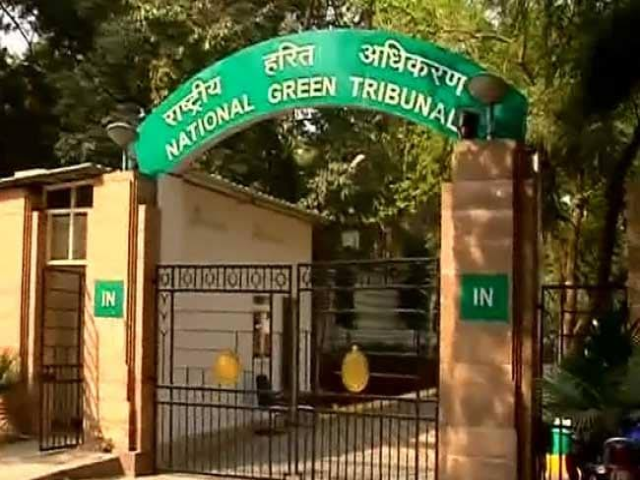
NGT Stays Green Clearance For MPA's Channel Deepening Project
National Green Tribunal, Western Zone Bench has stayed the Environmental and Coastal Regulation Zone (CRZ) clearance granted to the Mormugao